
The Vending Holy Trinity
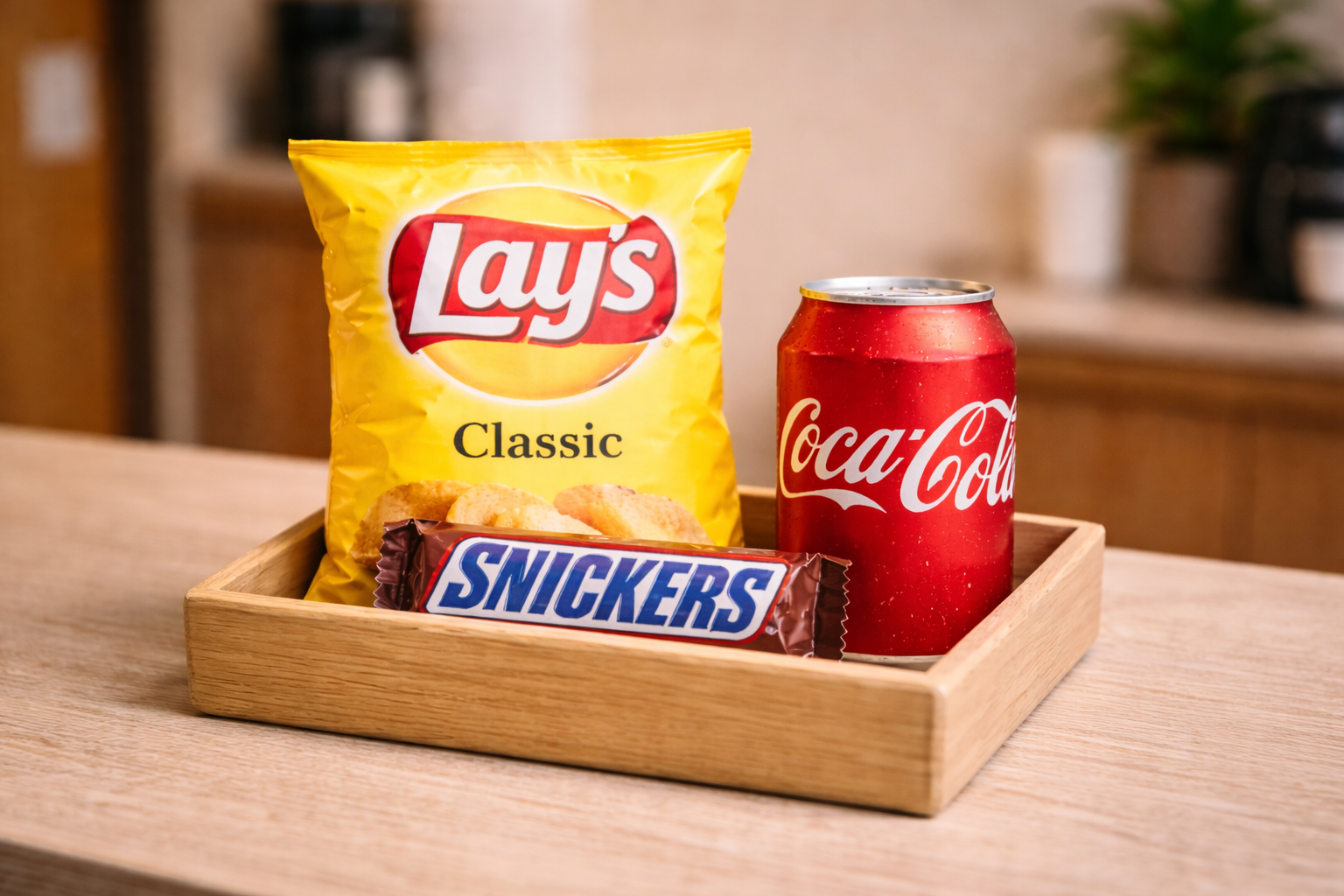
Walk up to almost any vending machine setup. It might be in an office, a warehouse, a school, or somewhere else entirely. And you’ll notice something peculiar.
Despite wildly different locations and audiences, despite different flavours and selections, the basic lineup is strangely familiar:
Chips
Chocolate
Pop
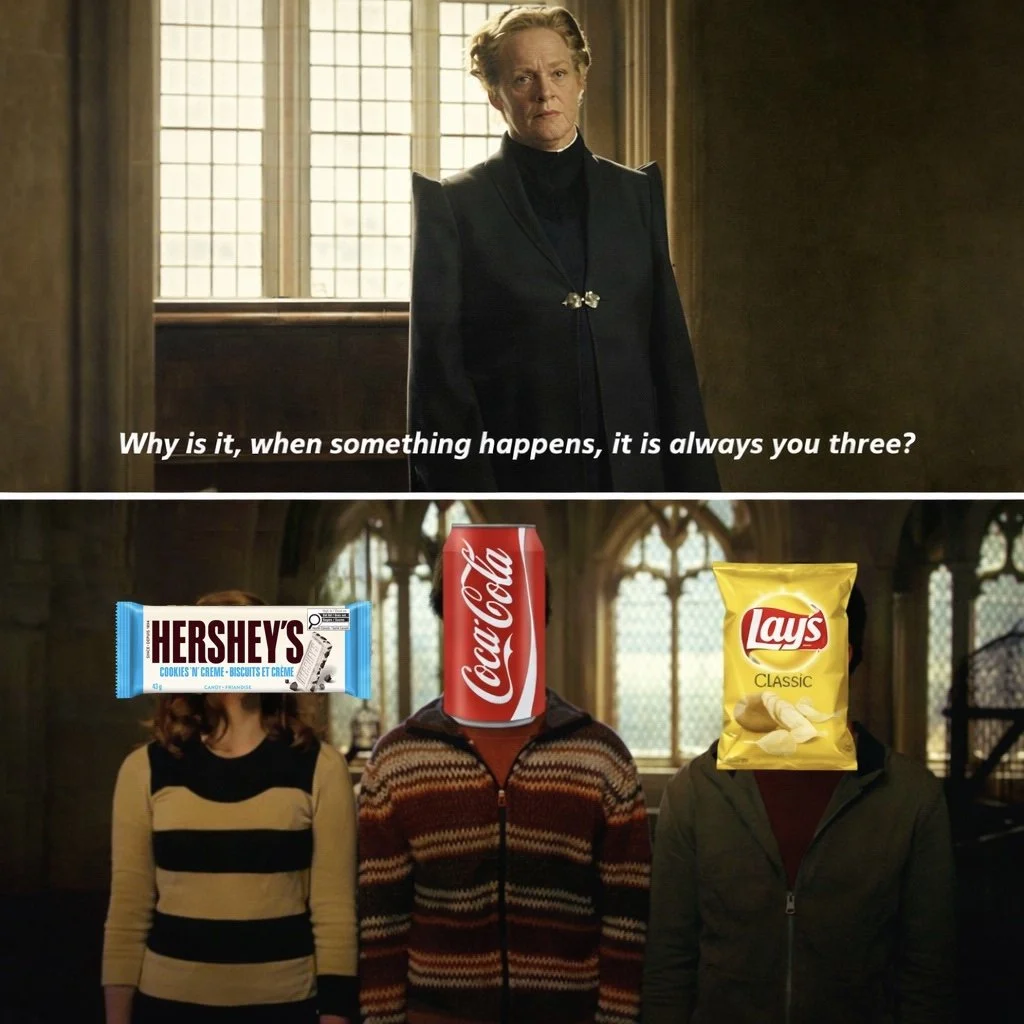
Different brands, different flavours, maybe a healthier option or two sprinkled in. But those three categories are almost always there.
Not because vending operators lack creativity, but because over decades, these items have proven themselves to be the backbone of vending success.
Here at Snack Kingdom Vending, we call it the Vending Holy Trinity.
Why? It’s quite simple, really. These three product categories are omnipresent in all vending machine locations. They’re staples because they provide variety, consistency, and dependability in our prime setups.
In this article, we break down why these three categories continue to dominate in vending machines, and why removing any one of them could cause more harm than good.
Chips
Chips are often the first thing people notice when they scan a vending machine. You can immediately identify them by their bright colours and packaging, their instantly recognizable branding and flavours. And most importantly: crunch.
From a behavioural standpoint, chips satisfy a very specific craving. Crunchy foods are strongly associated with stress relief and sensory satisfaction. Studies in food psychology suggest that crunchy textures provide a feeling of release, something especially appealing during work breaks or long shifts.
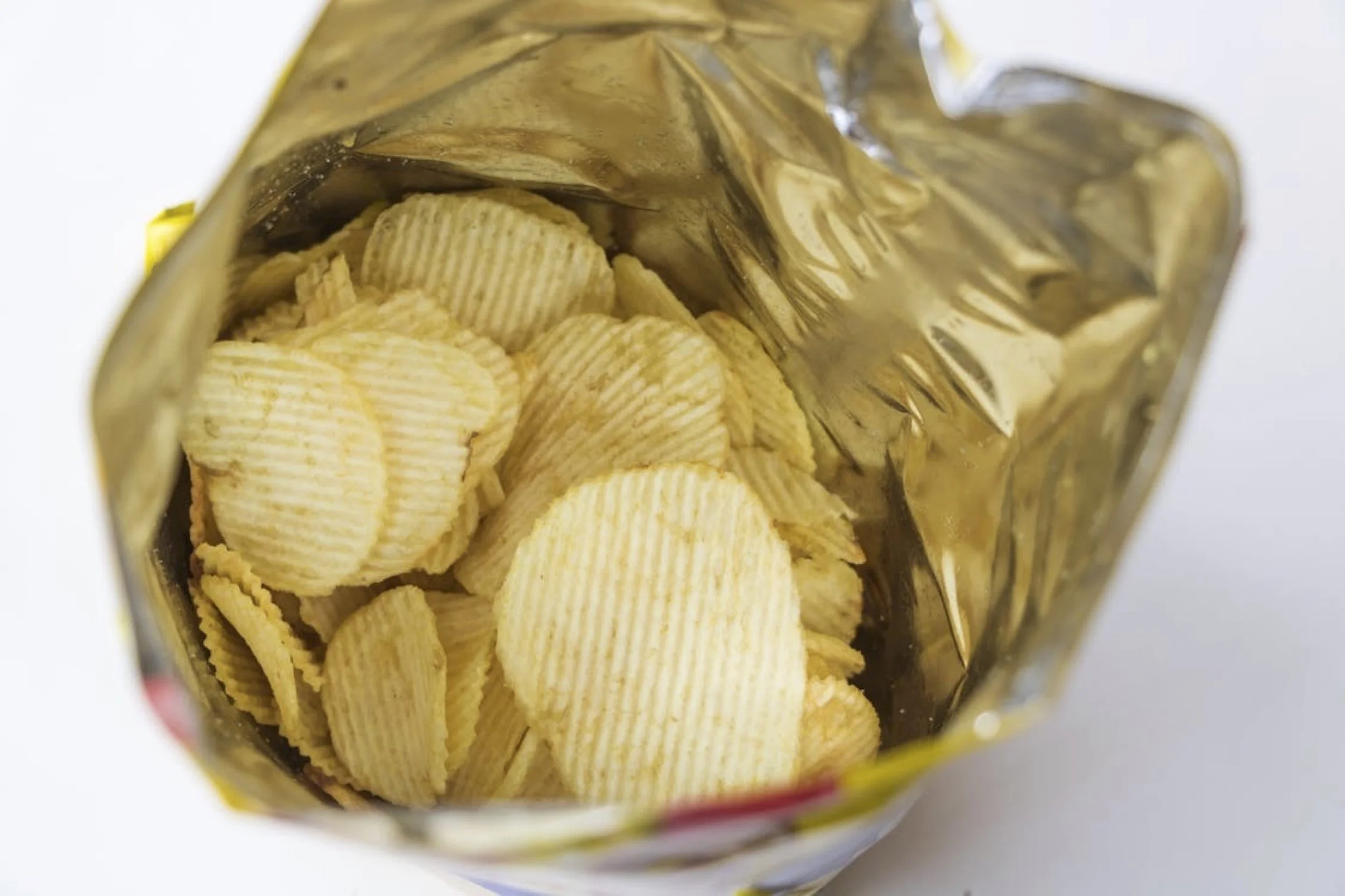
But psychology aside, chips dominate vending machines for practical reasons:
Variety: One chip brand can offer dozens of flavours: classic, spicy, BBQ, sour cream, and kettle-cooked.
Velocity: Chips don’t spike and crash in popularity the way novelty snacks do. There will always be a customer base for a quick bag of chips.
Stability: Compared to baked goods or fresh items, chips tolerate time and temperature changes exceptionally well.
A common mistake some locations make is assuming chips are “replaceable” with healthier alternatives. While baked chips and veggie snacks absolutely have a place, removing traditional chips altogether without much reasoning often leads to lower overall machine engagement.
People don’t just buy what they want. They buy what they expect to see.
Chips act as a visual anchor. Even customers who don’t buy them feel reassured by their presence.
Chocolate
Chocolate, or candy bars, are the smallest items in a vending machine, but arguably the most psychologically powerful.
Unlike chips, which are often a “safe” choice, chocolate bars are impulsive and emotional. Sometimes even a little guilty. And that’s exactly why they sell.
A chocolate bar usually isn’t bought because someone is hungry. It’s bought because:
“I had a rough meeting.”
“I deserve something.”
“I just need a quick boost.”
“I haven’t had this since I was a kid.”
Chocolate trades in nostalgia and reward, not nutrition. And vending machines are uniquely positioned to capitalize on that. The customer is alone. No cashier. No judgment. Just a small moment of indulgence.
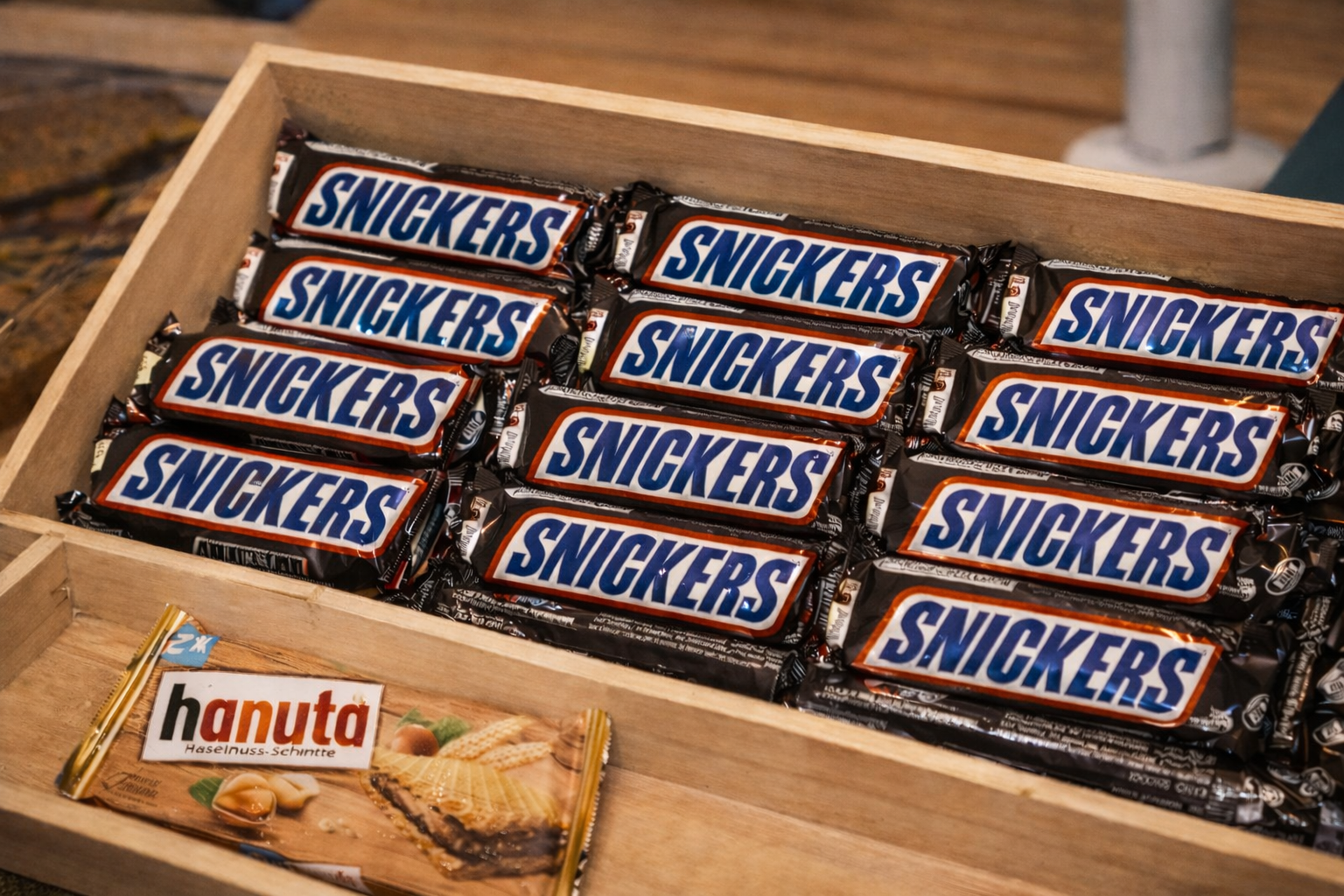
From an operator’s perspective, chocolate bars are essential because they:
Have high margins relative to size
Require minimal restocking space
Appeal across age groups, cultures, and job types
Pair naturally with beverages, especially pop
There’s also a strategic pricing element. Chocolate bars often sit at a price point where customers don’t overthink the purchase. They’re inexpensive enough to feel inconsequential, but valuable enough to feel rewarding.
Take them out, and something subtle breaks. The machine loses its “treat” category. Customers may still buy, but the emotional connection weakens.
Pop
If chips are the anchor and chocolate bars are the spark, pop is the engine.
In many vending machines, beverages, especially pop, account for a disproportionate share of total revenue. Not because everyone loves pop equally, but because drinks solve an immediate problem: thirst.
Pop works because it’s:
Immediately recognizable
Fast to consume
Consistently priced
Socially normalized in almost every environment
Water may be healthier, and energy drinks may feel more modern, but pop sits perfectly in the middle. It’s familiar, satisfying, and doesn’t require justification.
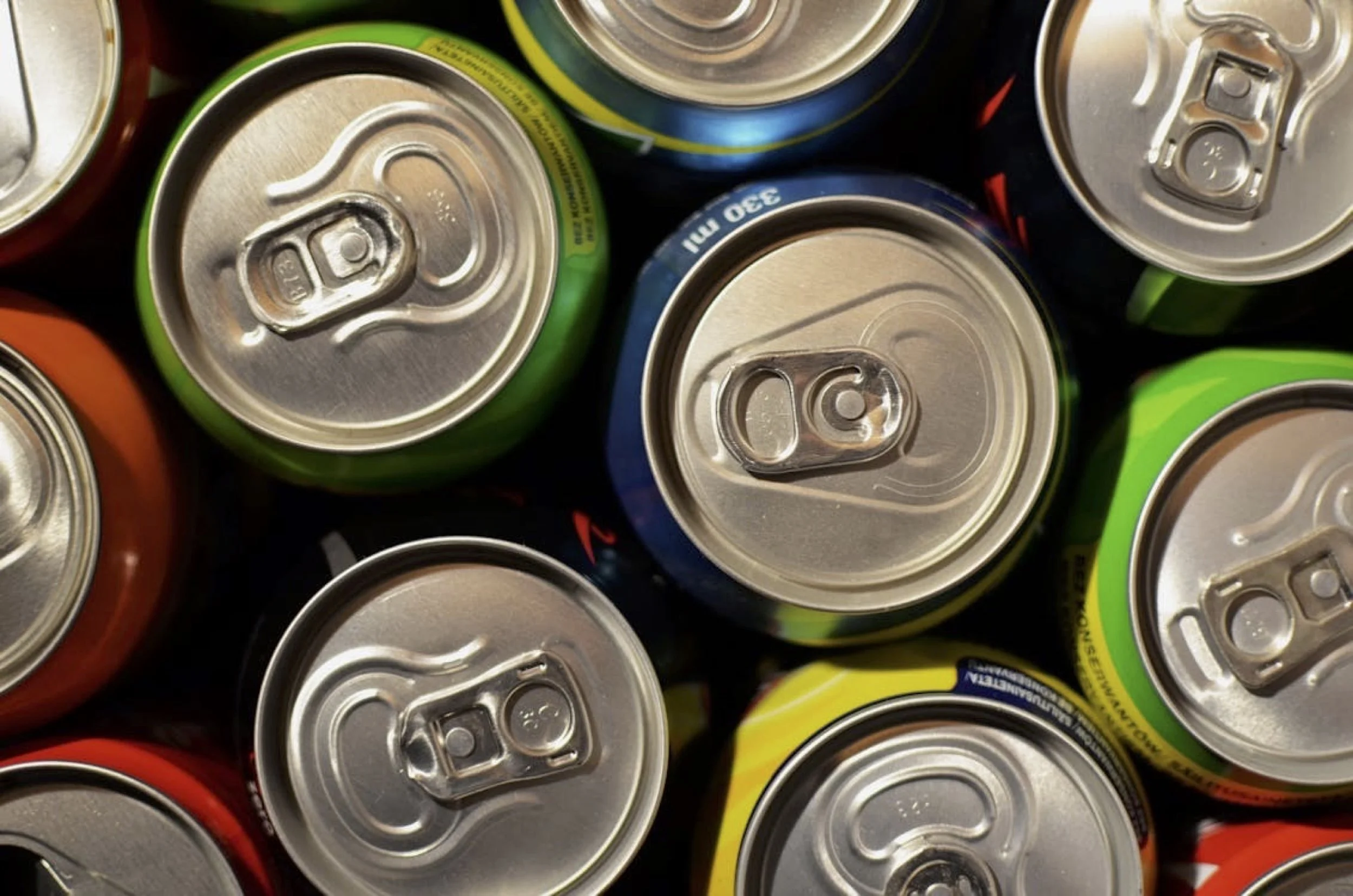
From a logistical standpoint, pop also makes sense:
Long shelf life
Clear rotation patterns
Strong brand loyalty (people will walk away if their brand isn’t there)
Works at nearly any time of day
Interestingly, pop also acts as a traffic driver. Someone may approach a machine specifically for a drink, then add chips or a chocolate bar as a secondary purchase. Remove pop, and you often see total machine sales drop, not just beverage sales.
That’s a key insight many locations miss. Vending categories don’t just sell independently; they support one another as the Holy Trinity.
Why These Three Make the Trilogy
Every few years, vending is declared “dead” or “outdated.” Then comes the push for protein bars, kombucha, keto snacks, or fully healthy machines.
Those trends matter. But notice something: even the most modern vending setups rarely eliminate the Holy Trinity entirely. They adjust around it.
Why?
Because vending machines don’t serve idealized humans, they serve real humans in real moments.
Tired? Rushed? Stressed? Vending machine psychology.
Bored? Hungry? Indulgent? Vending machine relevancy.
Chips, chocolate bars, and pop excel in these moments because they require zero education. No explaining macros. No convincing. No rebranding.
They just work.
The Holy Trinity isn’t about resisting change. It’s about respecting fundamentals.
Chips, chocolate bars, and pop persist because they solve three core vending needs:
Savoury crunch
Sweet indulgences
Refreshing thirst quencher
As long as humans keep taking breaks, working long hours, and making small, impulsive decisions, these categories will remain relevant.
Vending machines don’t need to chase every trend. They need to understand why certain items earned their place in the first place. And that’s why, no matter the location or the decade, the Holy Trinity keeps showing up.
Understanding the Vending Holy Trinity is really about understanding people. When vending works, it’s rarely by accident. It’s the result of thoughtful product balance, smart placement, and ongoing adjustments based on real usage.
That’s the approach Snack Kingdom Vending takes with every machine we place. Instead of forcing a one-size-fits-all lineup, we build vending setups around what actually performs, so the machine becomes a convenience people rely on, not something they ignore.
Ready to keep your workplace running on full? Reach out to Snack Kingdom Vending. We’re ready to chat today!
