
The Quiet Psychology of the Vending Machine
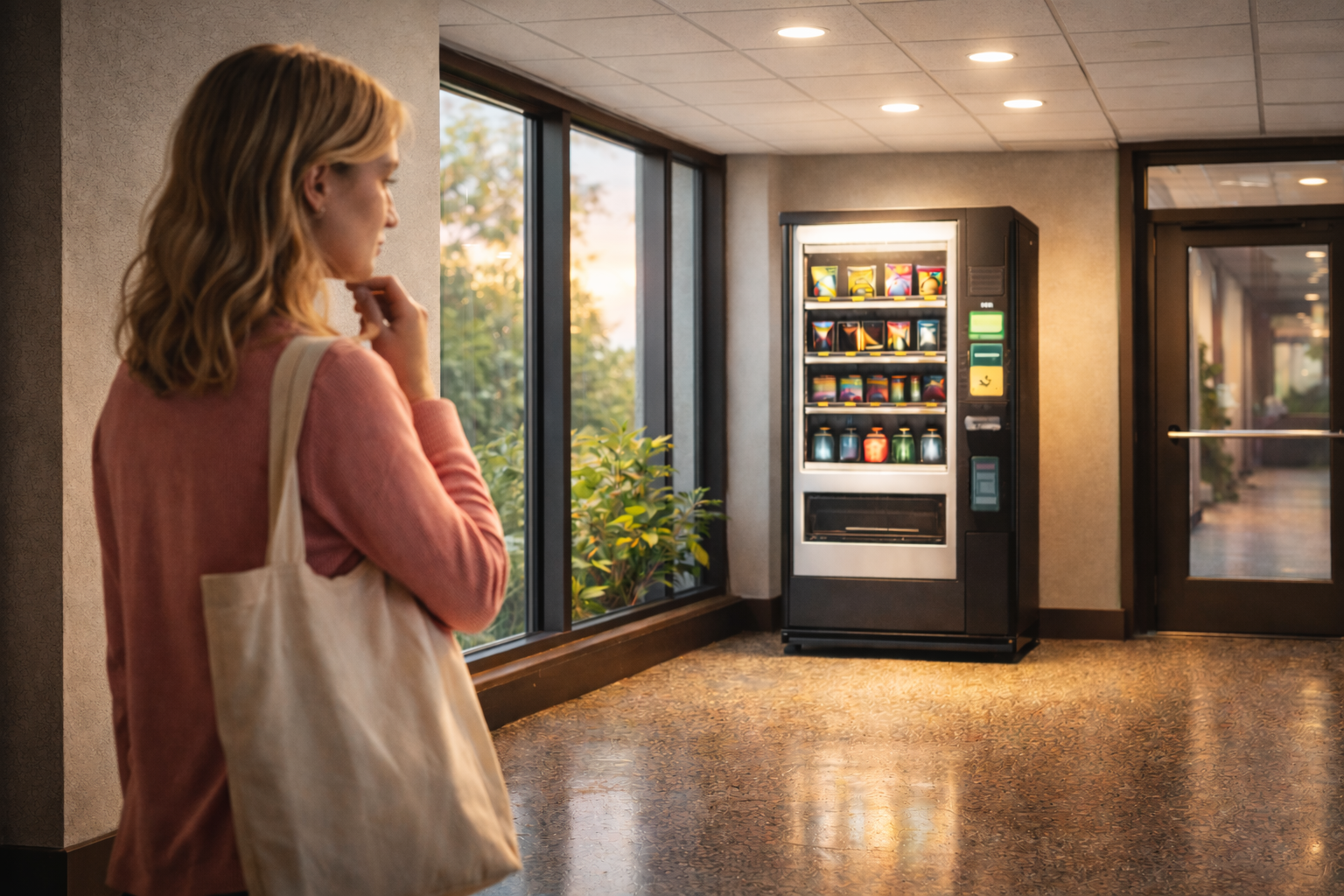
What do you think when you first see a vending machine?
At first glance, a vending machine is boring.
It hums. It blinks. It waits.
It doesn’t shout. It doesn’t chase you. It just stands there, politely, or menacingly, like it knows you’ll come eventually.
And you do.
Because if you stand in front of a vending machine for more than ten seconds, something interesting happens. You start negotiating with yourself.
I’m not even hungry.
But I skipped lunch.
I’ll just get something small.
That’s not small.
Okay, but it’s been a long day.
This isn’t a failure of willpower.
It’s psychology.
A Decision Made Under Pressure
Unlike grocery stores, vending machines don’t overwhelm you with endless choice. They do the opposite. They constrain you.
You have:
- A limited menu
- A limited amount of time
- A mild emotional trigger (stress, boredom, fatigue, or all three)
Psychologists call this bounded decision-making. It’s when humans make choices quickly, with incomplete information, under subtle pressure. It’s impulsive, quick, and emotional.
If you’ve read Thinking, Fast and Slow by Daniel Kahneman, you’ll recognize this as the perfect environment for System 1 thinking. And vending machines are perfectly designed for it.
You’re not comparing nutrition labels.
You’re not planning meals.
You’re answering a much simpler question:
What will make the next 10 minutes better?
That’s why vending machine decisions feel impulsive, but are actually very human.
Snacks Are Emotional, Not Logical
People like to pretend snacks are about hunger. They’re not. At least, not entirely. They’re about mood management.
Look closely at what people buy, and patterns start to show up:
- Chocolate bars tend to appear late in the day, when energy and patience are both running on fumes.
- Chips spike during shared breaks, when people want something social, crunchy, and easy to justify.
- Protein bars and nuts quietly dominate offices where productivity, fitness, or long hours are part of the culture.
- Sparkling water, cold brew, and “healthier” drinks replace soda in modern workplaces not because soda vanished, but because identity changed.
People don’t buy snacks.
They buy permission.
Permission to:
- Take a break
- Reward themselves
- Stay focused a little longer
- Cope with a meeting that should’ve been an email
A vending machine is a small window into how people actually feel at work.
Why Some Vending Machines Feel… Sad
You’ve seen it before:
- The dusty machine.
- The same snacks that have clearly survived multiple fiscal quarters.
- The keypad that only works if you press it just right.
These machines don’t fail because people stopped snacking.
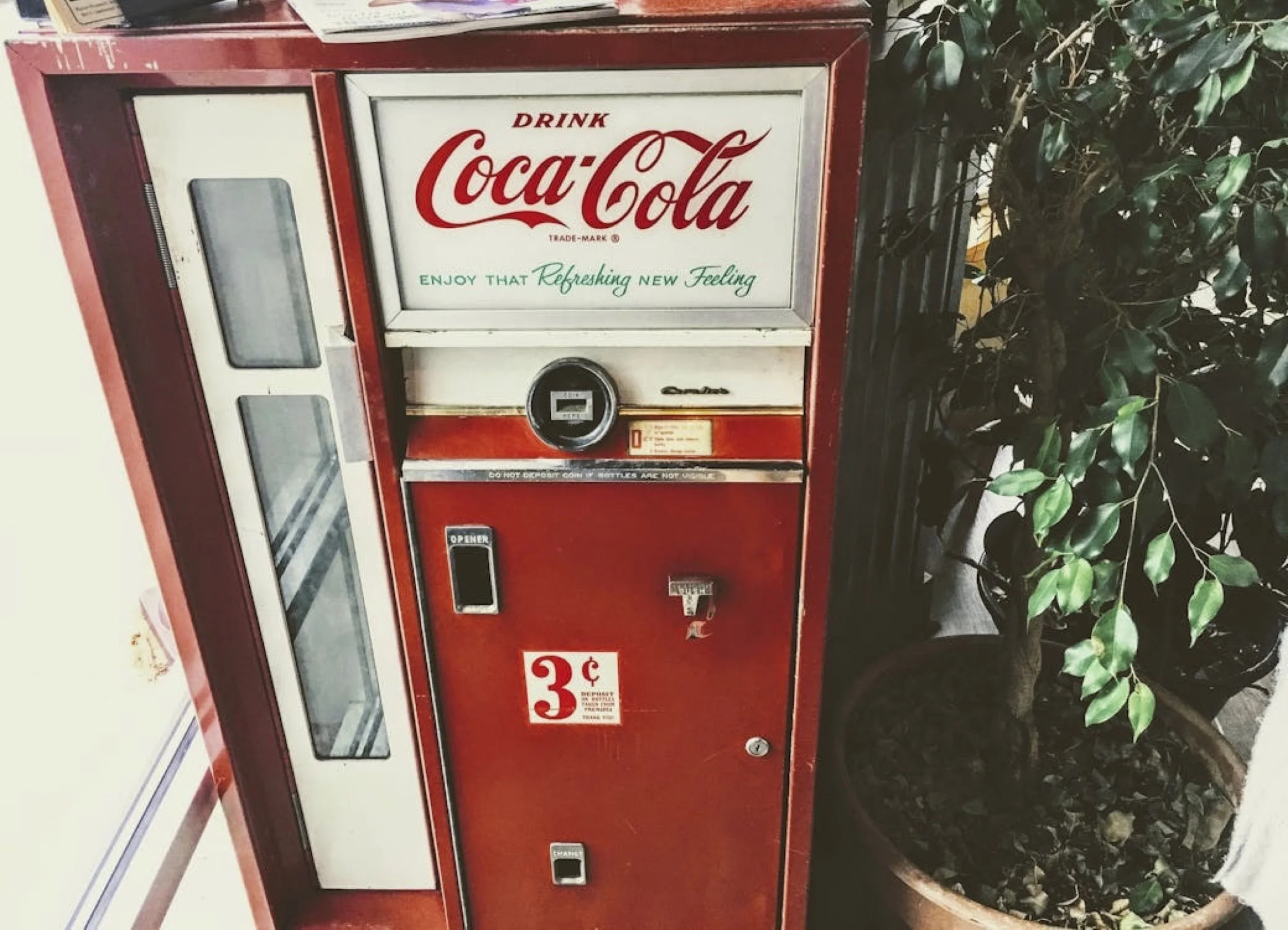
A warehouse, a tech office, a gym, and a hospital all snack differently. When vending ignores context, it becomes invisible. When it reflects the environment, it becomes useful. And a useful, visible vending machine promotes productivity in your workplace.
That’s the difference between:
“There’s a vending machine here”
And:
“Oh nice, they actually have good stuff.”
The Rise of the “Office Café Effect”
There’s a reason companies have quietly started caring more about snacks.
It’s not about indulgence.
A good vending setup:
- Encourages short mental breaks (which research shows improve focus)
- Creates low-effort social interaction
- Signals that the workplace values comfort, not just output
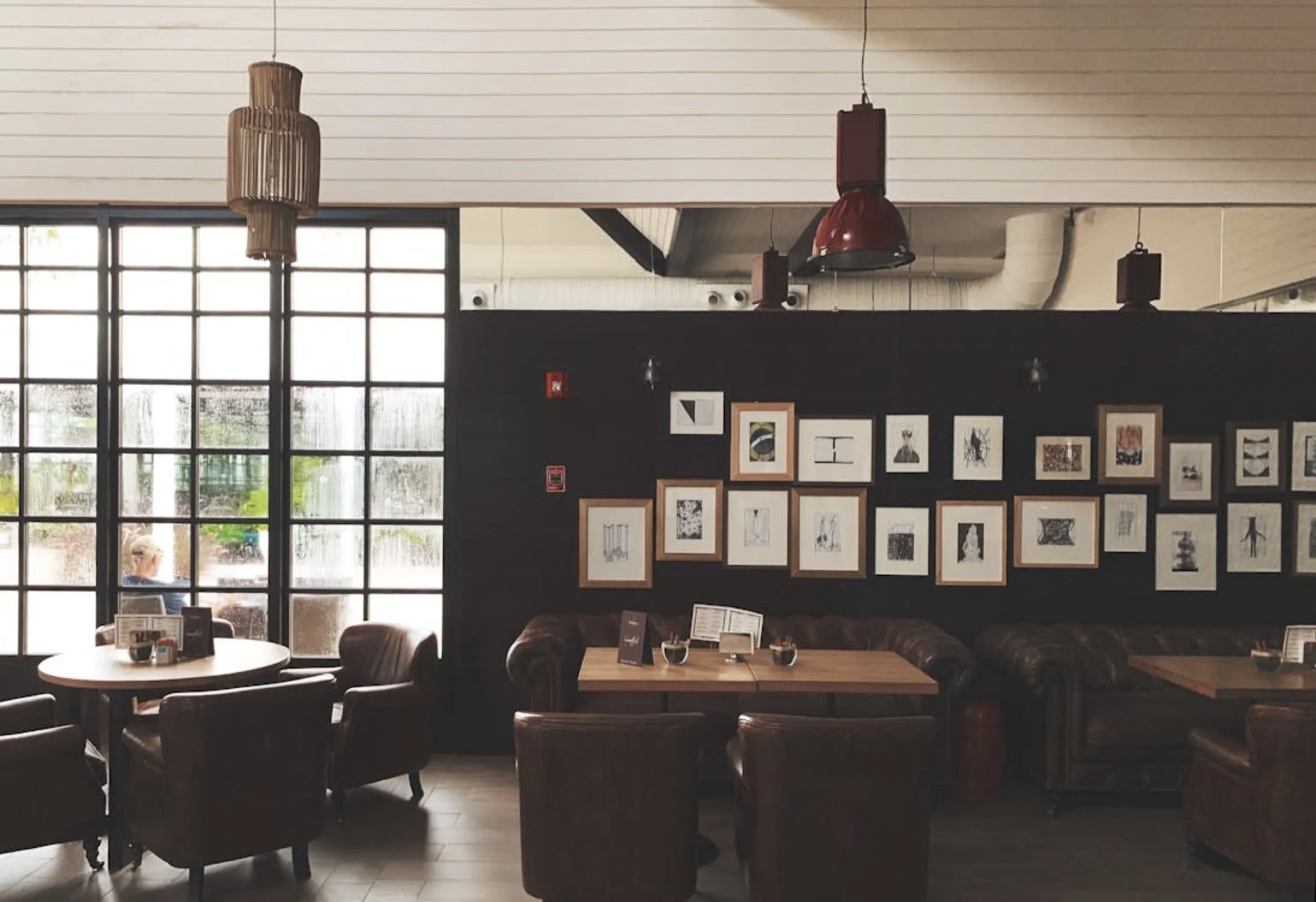
In other words, vending machines now do cultural work. They help shape how a space feels. Many modern offices are trying to create a café vibe to emulate that feeling of being welcoming, cozy, and productive.
That’s why modern vending has evolved:
- Cleaner machines
- Better product curation
- Cashless convenience
- Familiar or local brands
The goal isn’t luxury.
It’s relevance.
The Best Vending Machines Are Boring in the Best Way
The most successful vending machines aren’t flashy. They don’t scream for attention. They don’t try to reinvent snacking.
They do something much harder. They’re reliable.
- They’re stocked.
- They work.
- They reflect what people actually want right now.
Someone notices when a product isn’t selling. Someone rotates items. Someone pays attention to seasons, schedules, and habits.
Over time, the machine starts to feel like it understands the people using it. And that’s when something subtle happens. People stop seeing it as a machine and start seeing it as part of the office.
Small Moments, Big Impact
No one brags about using a vending machine.
But everyone remembers:
- The snack that saved a brutal afternoon
- The drink that made overtime bearable
- The moment they thought, wait… this machine actually has good options
These moments aren’t dramatic.
They’re just human.
And vending machines live in these small gaps between tasks, meetings, and deadlines, quietly keeping people functional.
When they’re done right, they don’t just sell snacks.
They support momentum.
Final Thoughts
If your office vending machine currently inspires more sighs than excitement, or if people only use it as a last resort…
That’s not a people problem.
Sometimes all it takes is a machine that:
- Works
- Feels current
And understands that at 3:17 PM on a Tuesday, people aren’t looking for perfection. They just want something that helps them get through the day.
No dramatic overhaul required.
Just smarter vending.
Your future self, the one who is slightly stressed, mildly hungry, and staring at the machine while debating life choices, will appreciate it.
At Snack Kingdom Vending, we make it easy to keep your workplace refreshed with modern, cashless machines that are always stocked with the favourites your team actually wants. Our services and installations are completely free.
If you’re curious which version of your team is choosing what snack today, we’re happy to help.
Reach out to Snack Kingdom Vending today.
