
The History of Potato Chips: Becoming a Vending Essential
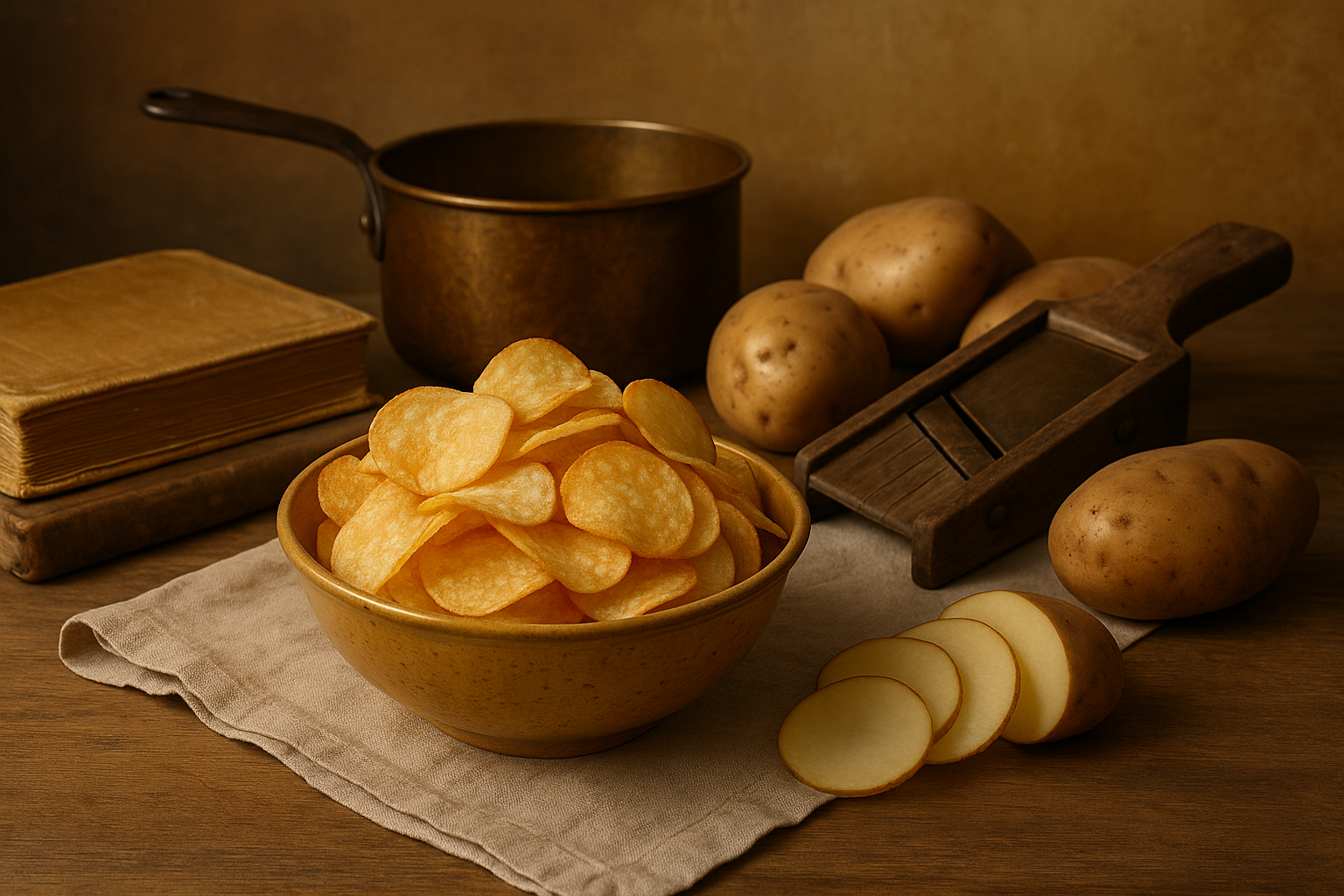
Potato chips are a staple in every vending machine. You would be hard pressed to find a setup that does not include at least a few of these classics, and ours are no exception. But for a snack that feels so modern and mass produced, the potato chip actually has a surprisingly short history.
How did a thin slice of fried potato go from a kitchen accident to a global vending machine essential?
Possible Origins
The earliest known recipe for something recognizably close to the potato chip appears in the English cook William Kitchiner’s book “The Cook’s Oracle,” first published in 1817. A fitting title for an author who loved precision in the kitchen. In the 1822 edition, he includes a recipe called “Potatoes fried in Slices or Shavings.”
The instructions are simple: slice the potatoes as thin as possible, dry them on a cloth to remove the moisture, and fry them in lard or dripping. In other words, the basic blueprint for the modern chip was already in place more than 200 years ago. Thinness, dryness, and dipped in hot fat.
Does this count as the true beginning of the potato chip, or is it something that leans closer to early fries? It is hard to say.
The Frustrated New York Chef
No history of the potato chip is complete without the tale of George Crum, the Saratoga Springs chef who supposedly created the chip in 1853 out of pure irritation. As the story goes, a customer at Moon’s Lake House kept sending back his fried potatoes, complaining they were too thick and soggy. The frustrated chef then sliced the next batch extremely thin, fried them until they were crisp, and loaded them with salt as a small act of culinary revenge. The customer loved them, other diners followed, and the “Saratoga Chip” was born.

The problem is that historians are not convinced the story ever happened. Not only do earlier recipes for thin fried potatoes exist in European cookbooks long before Crum’s supposed discovery, but records from Moon’s Lake House are limited, and Crum himself never claimed to have invented the chip.
The more plausible explanation is that the restaurant helped popularize a style of fried potato that already existed, giving it a memorable regional identity that spread far beyond Saratoga Springs. Still, the myth survives. People seem to prefer the version where a frustrated chef, an impossible customer, and a moment of spite accidentally created a beloved snack we still enjoy today.
From Kitchen Experiment to Mass Production
For decades, potato chips were a small-batch, local specialty that were made in restaurants, sold in paper cones, and eaten fresh because they went stale almost immediately. The real turning point didn’t come from a chef at all, but from technology. In the early 20th century, small manufacturers began using mechanical slicers to standardize thinness and speed up production. That change alone transformed chips from a regional novelty into a product that could grow far beyond local demand.
But the breakthrough that truly enabled nationwide distribution was packaging. In the 1920s, Laura Scudder, a California entrepreneur, started hand-ironing sheets of waxed paper into airtight bags. By filling each bag on the same day it was made, she greatly extended shelf life and protected the fragile chips from crumbling. This simple but smart idea reshaped the entire industry. Chips could now be shipped, stored, and sold far from the kitchens where they were cooked.

By the 1930s and 40s, mechanized fryers, conveyor systems, and automated seasoning equipment pushed chips fully into the industrial era. A snack that once relied on immediate freshness and local preparation suddenly became a product made for large scale production and distribution. This set the stage for brands, supermarkets, and, eventually, vending machines to make chips a key part of everyday snacking.
How Potato Chips Became a Vending Machine Staple
By the time potato chips were fully mass-produced and nationally distributed, they had another advantage that made them almost inevitable in vending machines: near-perfect logistics. Chips checked every box that early vending operators cared about. They were lightweight, had a long shelf life thanks to airtight packaging, and they didn’t require refrigeration. Even better, they sold quickly. People bought them at any time of day and in almost any location.
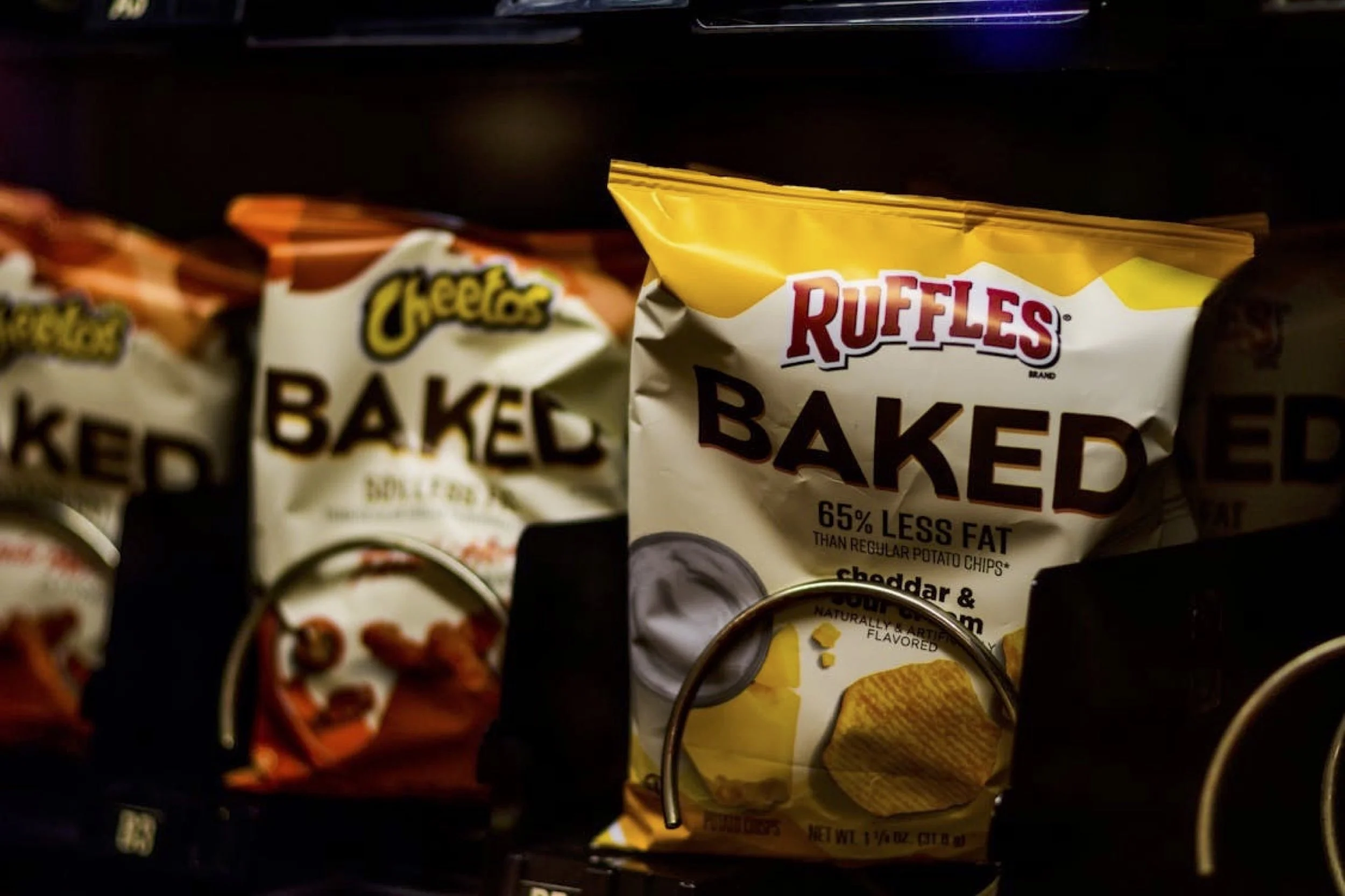
As vending machines expanded into factories, schools, and office buildings in the mid-20th century, chips became the default salty option. They also benefited from something that other snacks struggled to match: variety. You have your Doritos, Ruffles, Sun Chips, and more. Even when the product stayed shelf stable, the number of flavours kept the category feeling fresh from a marketing standpoint. That mix of durability, consistency, and constant novelty made chips ideal for vending, and it’s why they remain one of the most requested items today.
Modern machines now offer everything from baked snacks to plant based choices, but chips still anchor the lineup. They are one of the rare snacks that fits the perfect economics of vending, the cravings of customers, and the practical needs of operators all at once. It’s not just tradition; it’s the design and the way the product is built.
Final Thoughts
For a snack with such humble beginnings, the potato chip has managed to find its place in nearly every part of modern snacking. From kitchens in the 19th-century the vending machines we rely on today, you can find chips everywhere. Their evolution wasn’t accidental; it was shaped by technology, packaging breakthroughs, and simple human preference. People enjoy snacks that are crunchy, consistent, and easy to grab when they’re on the move.
At Snack Kingdom Vending, we think about vending the same way the best chip makers think about their products: reliability, variety, and a little bit of fun. Whether it’s a classic flavour, a new limited-edition release, or healthier alternatives that sit beside them, the goal is the same. Make the everyday snack break a little better. Reach out to us today for your chip and vending needs, and we can get you started right away.
